
New Water and Sewage Infrastructure Projects Launched in North Hama
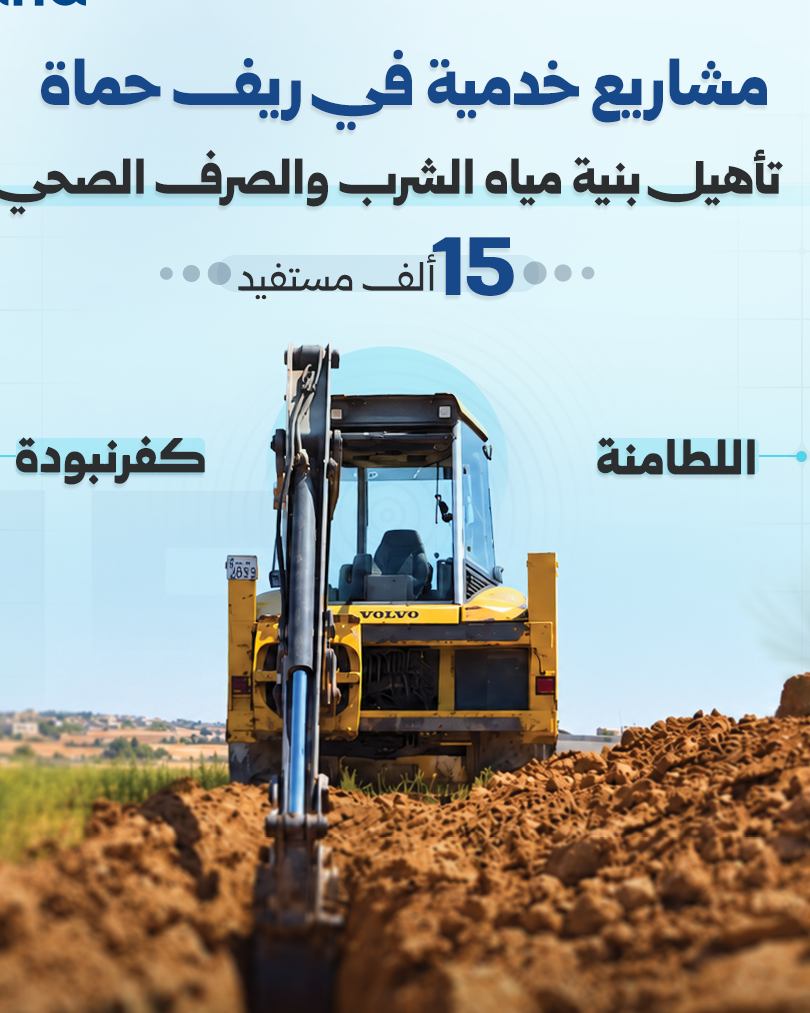
A new series of vital infrastructure projects has been initiated in the northern countryside of Hama, aimed at the rehabilitation and development of the region’s drinking water and sewage sectors. These efforts are part of a broader strategic plan to improve public services and strengthen basic infrastructure in areas that have sustained damage in recent years.
The project is expected to significantly benefit more than 15,000 residents living in northern Hama. By upgrading and expanding these essential utilities, authorities aim to secure a reliable supply of clean drinking water and address long-standing sewage issues that have impacted public health and the surrounding environment.
The current rehabilitation efforts involve a comprehensive maintenance program for damaged networks. This includes the replacement of deteriorated parts and the optimization of distribution processes to ensure that water reaches rural residential clusters on a regular and consistent basis. Simultaneously, the work includes updating and expanding the sewage network to mitigate environmental risks caused by aging infrastructure. Officials believe these improvements will play a crucial role in enhancing the residential stability of citizens in the affected areas.
These projects represent part of a wider commitment by relevant institutions in Hama Governorate to reactivate service-oriented departments and restore essential public facilities. The authorities are prioritizing areas suffering from service shortages, with a focus on implementing sustainable maintenance and repair work to ensure that these services remain operational for the long term.
Once the implementation stages are completed, the projects are expected to improve the standard of living for local residents. By restoring these critical facilities to full operational capacity, the initiatives will reduce the logistical and financial burdens previously faced by families attempting to access clean water or manage sewage challenges. This investment in infrastructure is viewed as a fundamental step toward restoring stability and allowing residents to carry out their daily lives without the burden of disrupted public services.
Source: Syria Focus Arabic
