
Syria Launches Strategic Plan to Modernize Weather Observation Network
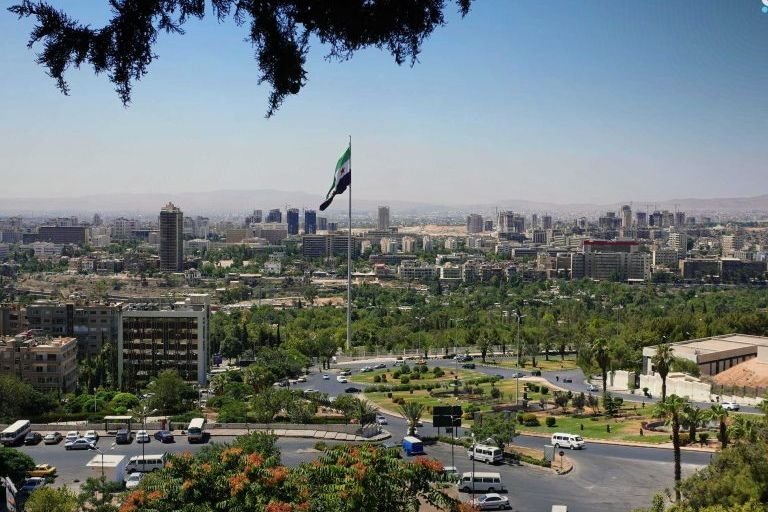
Syria has initiated a new strategic phase aimed at rebuilding and modernizing its national weather observation system. This move is designed to bolster the country’s technical capabilities in addressing the challenges posed by climate change and extreme weather events, marking a significant step in the broader effort to upgrade scientific and technical infrastructure after years of decline that saw most of the nation’s monitoring stations go out of service.
According to the National Center for Meteorology and Seismology, the strategic objective for the coming period is to increase the number of active stations from the current 48 to 500 within a timeframe of no more than three years. This expansion is viewed as a vital step toward restoring the network to its previous status; in past decades, Syria operated a wide-reaching system of over 550 stations before numbers dropped to critical levels over the last twenty years.
The plan encompasses the modernization of the technical infrastructure of these stations and the adoption of new, advanced technologies. A key focus is the training of specialized human resources responsible for the operation and maintenance of these stations, as well as the analysis of meteorological data. Furthermore, the center intends to strengthen cooperation with international institutions. The center has already activated the “ECMWF ecCharts” platform in collaboration with the European Centre for Medium-Range Weather Forecasts, providing advanced tools for atmospheric analysis.
This expanded network is considered essential for providing the accurate and comprehensive data required by global numerical models to produce precise weather maps and forecasts. Reliable observation data plays a central role in supporting vital sectors, including agriculture, aviation, transport, maritime navigation, and tourism. Additionally, the center contributes to the early warning system for addressing risks associated with climate change, where alerts are disseminated to at-risk areas via rapid text messaging in coordination with disaster management authorities.
Reflecting a strengthening of its regional and international presence, Syria was elected to chair the Arab Permanent Committee for Meteorology during a meeting of the League of Arab States in Cairo on September 5. This development is seen as an indicator of Syria’s renewed role in joint Arab efforts, particularly regarding meteorology, forecasting, and addressing food and water security challenges across the region.
Currently, the National Center for Meteorology and Seismology is working to consolidate its institutional framework. Its mandate extends beyond daily observation to maintaining the “National Climate Archive,” which serves as a national data bank documented according to the standards of the World Meteorological Organization. This archive is intended to function as a scientific reference for researchers, national institutions, and investors across various developmental and service sectors.
