
Aleppo Hosts Consultations on Missing Persons Legislation
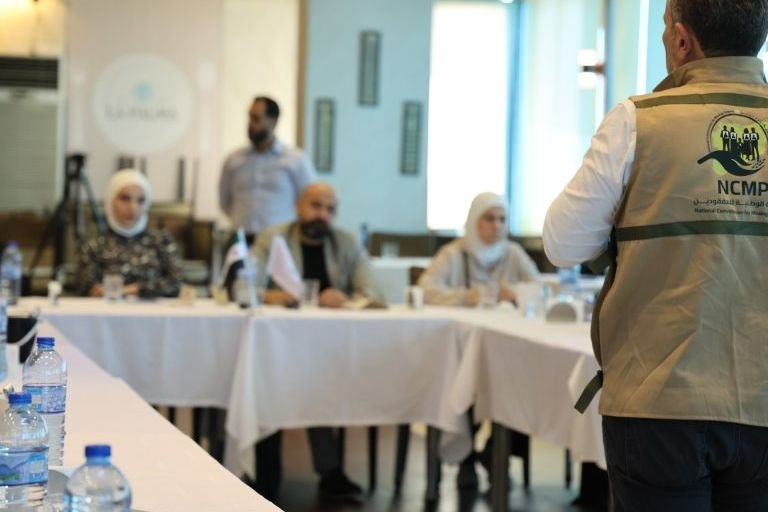
The city of Aleppo has hosted the inaugural session of a series of national consultations focused on establishing the governing principles for future legislation regarding missing and forcibly disappeared persons. The initiative, organized by the National Commission for Missing Persons, brings together a diverse group of stakeholders, including family members of the missing, representatives from civil society organizations, and various legal experts and professionals. These sessions mark a significant step in the process of drafting a comprehensive national law aimed at addressing one of the most sensitive and pressing humanitarian issues in the country.
According to the National Commission for Missing Persons, the primary objective of these consultations is to articulate a set of national legal principles that are firmly rooted in the values of justice and the protection of human dignity. Central to this effort is the right of families to know the truth regarding the fate of their loved ones. The commission emphasized that the proposed legal framework seeks to respond directly to the needs and aspirations of the families affected by these disappearances, ensuring that their perspectives remain at the forefront of the legislative process.
The organizers highlighted that the participation of families who have been directly affected by the loss of relatives is essential for the legitimacy and effectiveness of any future policy. By integrating the insights of those with lived experience alongside the technical expertise of legal scholars and civil society members, the commission aims to build a robust, sustainable, and inclusive legal architecture. The goal is to move beyond temporary measures and develop a clear, codified approach that can effectively manage the complexities surrounding cases of the missing and those who have been forcibly disappeared.
These sessions in Aleppo represent the start of a broader, structured consultative process occurring across the country. This path is designed to ensure that all relevant stakeholders are engaged in laying the groundwork for the necessary legal foundations. The feedback gathered from these regional consultations is intended to inform the drafting committee, providing them with essential data and diverse viewpoints that will help shape the final legislation. By fostering a collaborative environment, authorities hope to create a standard-bearing legal framework that addresses the humanitarian, social, and legal dimensions of the issue, ultimately providing answers and closure to the families involved. The current focus remains on ensuring that the final draft reflects a consensus-based approach that respects both human rights standards and the specific needs of the Syrian context.
