
Saffron Cultivation Emerges as Promising Economic Path in Tartus
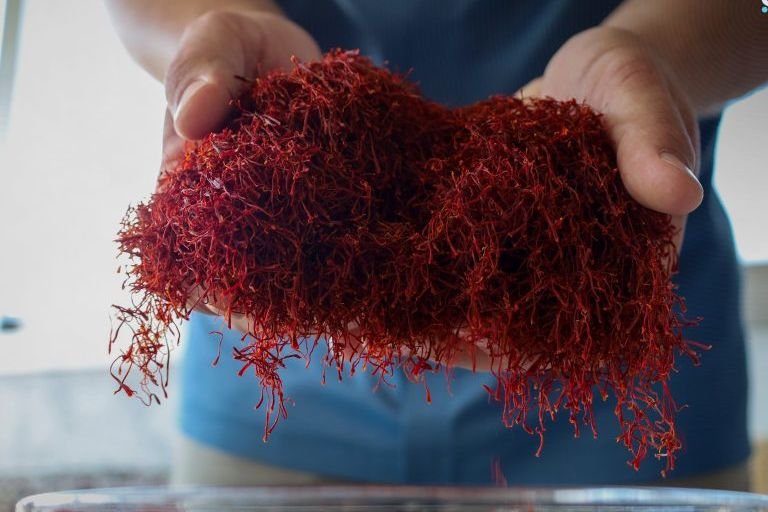
Saffron cultivation, often referred to as “red gold” due to its high market value, is gaining traction as a promising economic alternative in the Tartus governorate. Local agricultural authorities and farmers are exploring the viability of the crop, leveraging the region’s favorable climatic and environmental conditions, which have proven suitable for the spice’s growth.
Currently, the initiative is concentrated in the Dreikish area, where 13 farmers have dedicated approximately five dunams to the crop. The project, which began in 2017, involved local farmers sourcing and multiplying bulbs to test their adaptability to the local altitude, topography, and humidity. Following the successful acclimatization of the bulbs, the agricultural community has seen a gradual expansion in cultivation efforts and the accumulation of technical expertise in harvesting and processing.
Technical data provided by local farmers highlights the intensive nature of the work. Establishing one dunam of saffron requires between 175 and 300 kilograms of bulbs. Once mature, a single bulb can produce up to 14 flowers. The processing phase is particularly labor-intensive, as producing just one gram of dried saffron requires approximately 165 flowers, making the manual harvesting and drying stages critical to the quality of the final product.
Despite the promising results, producers face significant obstacles that hinder large-scale expansion. Chief among these is the lack of specialized machinery for drying, which is currently performed by hand. This reliance on manual labor limits production capacity. Furthermore, there is a recognized need to modernize packaging and develop robust marketing channels to reach new domestic and international markets.
Agricultural officials in Tartus, including those within the Directorate of Agriculture, have emphasized the importance of supporting this niche sector. There is a concerted effort to provide necessary extension services and technical guidance to farmers interested in entering the industry. According to official assessments, the success of saffron cultivation in Tartus depends on a dual approach: maintaining high production quality to ensure competitiveness and addressing the logistical gaps in the supply chain.
Because saffron is a low-volume, high-price commodity, it represents a potentially lucrative venture for local agriculture. Authorities are currently monitoring the small-scale trials to determine how to best facilitate the growth of the sector in a way that is sustainable and provides an effective economic return for growers. As the experience continues to evolve, the focus remains on overcoming the current infrastructure hurdles to allow the “red gold” industry to mature into a reliable source of income for the region’s agricultural sector.
