
Olive Harvest in Quneitra Shows Yield Gains Despite Security Hurdles
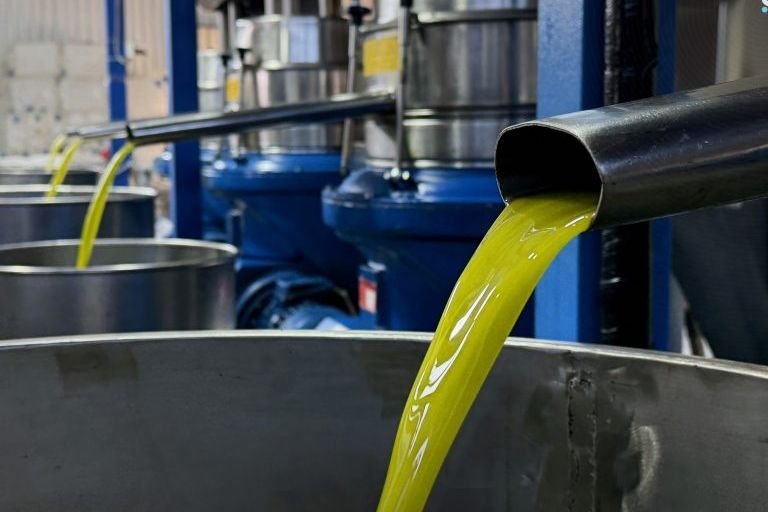
Harvesting and milling operations are underway across Quneitra province, with current reports indicating a tangible improvement in production volumes and higher oil extraction rates compared to the previous season. This increase in productivity is attributed to the diligent efforts of local farmers in maintaining their lands through essential practices, including tilling, pruning, and fertilization.
Khitam Al-Samia, head of the Specialized Offices Department at the Quneitra Agriculture Directorate, stated that expectations for this year are higher than last season. She noted that olive presses across the province are operating at a steady, consistent pace. In coordination with the Directorate of Internal Trade and Consumer Protection, the Agriculture Directorate is monitoring these facilities to ensure compliance with technical and sanitary standards, thereby protecting the interests of farmers and preventing potential malpractice or adulteration during pressing and packaging.
Saher Al-Mousa, a local olive press owner, described the oil extraction rates this year as excellent. He explained that the amount of olives required to produce one kilogram of oil varies significantly based on the olive variety and the timing of the harvest. In some areas, the ratio ranges from 3.4 to 3.7 kilograms of fruit per kilogram of oil, while in other regions, it can reach approximately 7 kilograms.
Farmer Salah Al-Shoubash noted that these variations are a natural occurrence, influenced by the differences between rain-fed and irrigated lands, as well as soil moisture levels and regional characteristics. He pointed out that while some rain-fed areas require 5.5 to 7 kilograms of fruit for one kilogram of oil, that ratio can exceed 10 kilograms in certain irrigated lands.
Despite these positive production indicators, farmers in Quneitra continue to face significant field challenges caused by Israeli military actions and recurring incursions. Farmers reported that these incursions hinder their ability to access their lands and pose direct threats to their safety, which disrupts harvest schedules and prevents the execution of agricultural tasks at their optimal times.
The impact of these tensions has been evident in recent incidents. In October, Israeli forces reportedly bulldozed approximately 13 dunams of olive trees in the Al-Hanout area of the southern Quneitra countryside. Furthermore, during November, farmers were prevented from harvesting their crops in areas west of the town of Al-Rafid.
Olive cultivation remains a strategic sector in Quneitra and a primary source of income for a large segment of rural families. The resilience of these farmers, who continue their work despite the risks and imposed restrictions, remains the deciding factor in maintaining the region’s agricultural output.
Source: Syria Focus Arabic
