
The Show Must Go On: A Syrian Twist on Hamlet at Damascus’ Al-Hamra
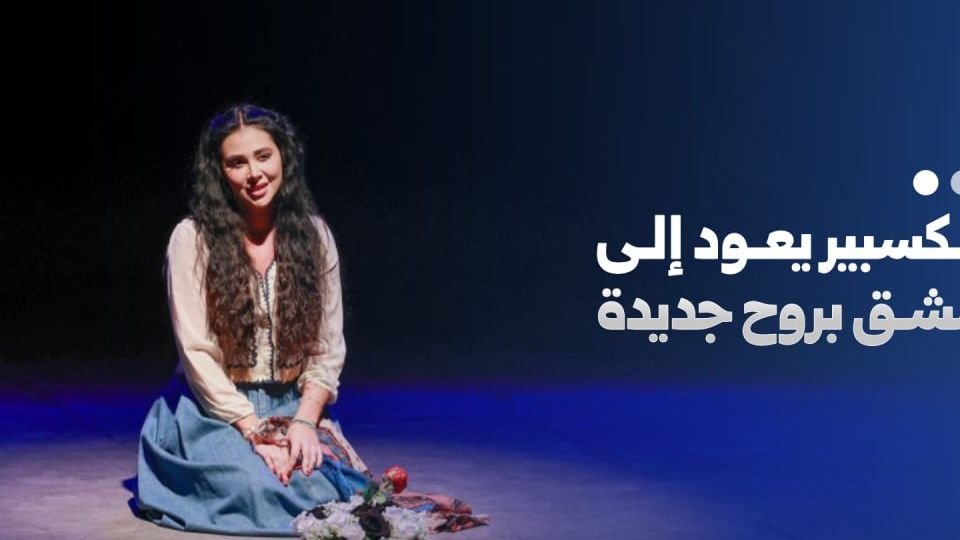
The Al-Hamra Theater in Damascus is currently hosting a new theatrical production titled “The Show Must Go On.” The play offers a contemporary interpretation of William Shakespeare’s “Hamlet,” aiming to engage with the classic text by linking it to the current humanitarian and social challenges facing Syrian society.
Directed by Kifah Al-Khous, the production runs until November 27. The play combines performances in both Arabic and English, utilizing dark comedy and highlighting human contradictions to explore its themes. Al-Khous notes that the production incorporates Brechtian techniques, specifically focusing on alienation and breaking the “fourth wall,” while employing a “grotesque” style with deliberate exaggerations to reflect on the experience of the Syrian war.
According to Al-Khous, the core of the play centers on the concept of justice as a path to salvation. He emphasizes the importance of listening to the concerns, suffering, and aspirations of citizens who seek a return to normalcy. Al-Khous further stated that the current space for theatrical expression in Syria allows creators to present their ideas with depth, stressing the importance of moral self-censorship to remain mindful of the country’s sensitive circumstances.
Actor Suleiman Rizk adds that the play moves beyond simple projections of the Syrian reality, discussing broader concepts of leadership and human responsibility. Rizk believes the performance embodies the contradictions of individuals who live in isolation from society’s concerns, highlighting a crisis of leadership unable to grasp the needs of the people—a theme reflected in the dramatic treatment of Hamlet’s character. The director focused heavily on the actor’s craft, including voice, movement, and gestures, to build these characters.
In this production, the creative team aims to bridge the gap between traditional Shakespearean language and modern audiences by employing a simpler, more accessible theatrical style. Actress Lara Badri, who plays Ophelia, explains that the work avoids stereotypical character templates, focusing instead on the inner conflict between innocence and awareness. Meanwhile, young actor Daoud Azab, making his professional debut, portrays “Victor,” a character representing an anxious, hesitant individual facing difficult choices while striving for visibility.
The production is a collaborative effort between the Directorate of Theaters and Music and the Agora Theater collective. It seeks to deliver intellectual and political messages through a blend of satire and seriousness. The work aims to provoke the audience to reflect on issues of revenge and equity rather than merely inciting sorrow, serving as a step toward revitalizing the Syrian stage through the initiatives of a younger generation seeking to restore passion to theater.
Source: Syria Focus Arabic
