
Differentiating Between the Flu and the Common Cold: Prevention Tips
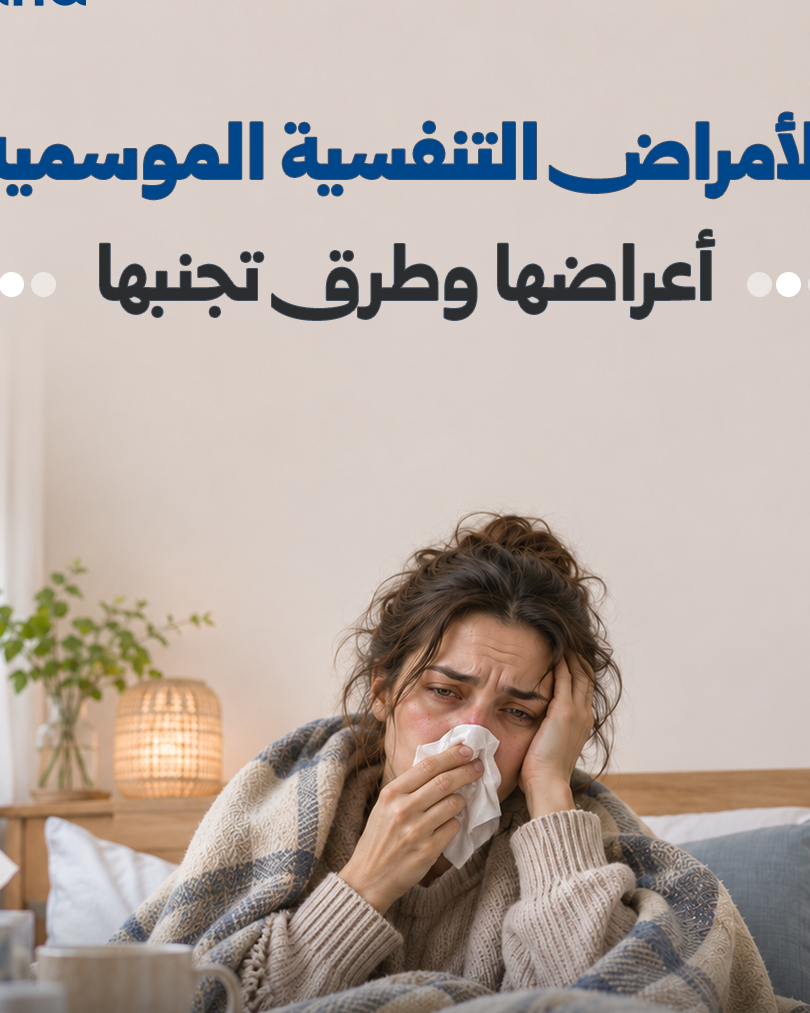
As the winter season approaches and weather conditions shift, questions frequently arise regarding how to distinguish between the influenza virus (the flu) and the common cold. Given the overlap in respiratory symptoms, health experts emphasize that understanding the fundamental differences between the two is vital for determining the appropriate measures for prevention and treatment.
The common cold is a widespread viral infection that primarily affects the upper respiratory tract. Its symptoms are generally mild and tend to develop gradually, often manifesting as nasal congestion, sneezing, and a mild cough. In contrast, influenza is a more severe viral infection. It is characterized by the sudden onset of symptoms, such as high fever, intense muscle aches, a feeling of general malaise, and extreme fatigue, often accompanied by headaches and a dry cough.
To prevent the spread of these seasonal illnesses, experts stress the importance of maintaining fundamental hygiene practices. Key preventative measures include washing hands regularly with soap and water, avoiding contact with one’s face or eyes, and keeping a distance from individuals exhibiting respiratory symptoms. Furthermore, it is recommended to bolster the immune system by maintaining a balanced diet, ensuring adequate rest, and keeping indoor spaces well-ventilated.
Regarding medical care, specialists advise that consulting a doctor is necessary immediately if severe symptoms occur. This includes difficulty breathing, a persistent high fever that does not respond to standard fever-reducing medication, or situations involving vulnerable populations. This specifically applies to individuals with chronic health conditions, the elderly, or children who experience a sudden decline in their health status. Early diagnosis and strict adherence to medical guidance are considered the primary pillars for overcoming these health crises and avoiding the complications that may follow an influenza infection.
Source: Syria Focus Arabic
