Tartus University Accelerates Digital Transformation and Reform
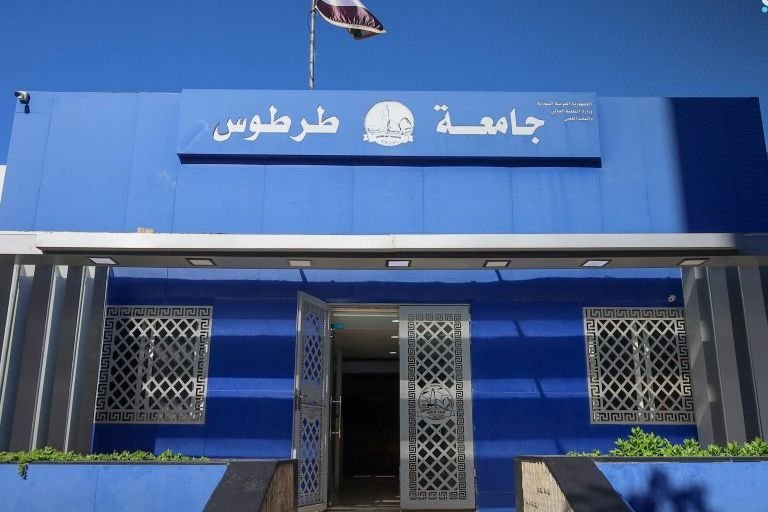
Tartus University is continuing its efforts to modernize its administrative and academic systems through a comprehensive digital transformation strategy. This initiative aims to improve the quality of services provided to students while facilitating easier access to academic content and simplifying university procedures.
Mohammed Ayham Mohammed Atef Darwish, Vice President of Tartus University for Administrative and Student Affairs, stated that the transition to digital systems is an institutional priority being implemented in stages. Recent milestones include the launch of a new university website, the development of essential technical infrastructure, and the migration of data to automated systems. Furthermore, the university has successfully automated the university admission process and enhanced student services in coordination with the Information Systems Directorate.
Current efforts are focused on simplifying registration for both new and returning students through the “Jamiati” (My University) application. The university is expanding its electronic services to allow students to monitor their academic status, view announcements and exam results, and submit and track student requests digitally. These developments are being executed in alignment with the university’s current technical capacity and established electronic integration protocols.
Regarding academic content, Darwish noted that the university is working on developing faculty websites and providing access to lectures, scientific materials, and curricula through educational platforms. This initiative is designed to offer students a structured and accessible learning environment. He emphasized that these platforms will serve as official and reliable sources for academic information, with all university materials and theses hosted on the university’s local servers in coordination with faculties and teaching staff.
By integrating student affairs systems, websites, and educational platforms, the university aims to create a cohesive digital ecosystem. This move is intended to reduce data redundancy, eliminate paper-based procedures, and increase the administrative efficiency of student affairs and examination offices, ultimately supporting evidence-based decision-making.
Despite this progress, Darwish acknowledged challenges facing the digital transformation, particularly concerning infrastructure development, the stability of electricity and internet services, database updates, and the training of administrative and technical staff. He confirmed that the university is working to address these obstacles in coordination with the Ministry of Higher Education and Scientific Research, with a focus on intensified training, information security, and service continuity.
These technical advancements coincide with a structural expansion at Tartus University. Following the issuance of Decrees No. 215 and 216 for 2026, the university has established two new faculties: the Faculty of Civil Engineering and the Faculty of Law, reflecting a commitment to developing the university’s academic and service capabilities simultaneously.
Source: Syria Focus Arabic
