
Syria Evaluates Requirements for Equine Disease-Free Zone
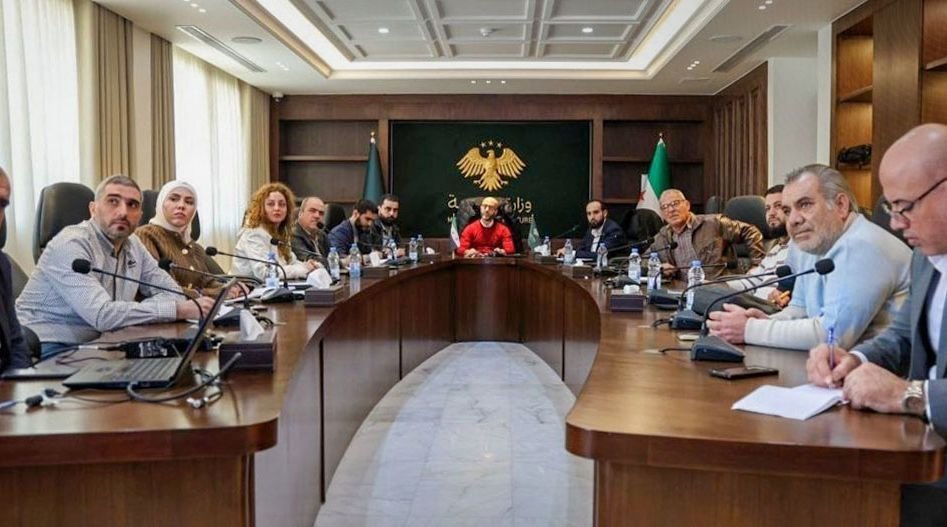
The Syrian Ministry of Agriculture has held an extensive meeting to discuss the requirements and procedures necessary for establishing an Equine Disease-Free Zone (EDFZ) in Syria. The session was led by the Assistant Minister for Animal Resources, Mohammed Tarshan, and attended by the ministry’s specialized technical team.
This initiative is part of the ministry’s ongoing efforts to align with the standards of the World Organisation for Animal Health. The goal is to facilitate the international movement of Syrian horses by reducing the health-related restrictions currently imposed on their transport.
During the meeting, the technical team presented mechanisms for managing the proposed zone, focusing on a comprehensive package of regulatory and preventative measures. Key discussions included the development of rigorous epidemiological surveillance programs, the enhancement of certified laboratory testing, and the adoption of a system for the precise identification and tracking of horses. Additionally, the attendees addressed the importance of regulating the entry and exit of horses within the zone, emphasizing the implementation of strict biosecurity measures and veterinary quarantine protocols, with specific attention directed toward equine-related epidemic diseases.
The committee also reviewed a proposal regarding the geographical boundaries of the zone. The suggested area would extend from the Lebanese border, through Damascus and the Damascus International Airport, to the Nasib border crossing with Jordan. This layout aims to establish an integrated health monitoring system capable of regulating horse movement through the country’s primary air and land entry points.
Participants emphasized the necessity of completing all required technical and procedural tasks and strengthening coordination with the World Organisation for Animal Health. Future steps will involve preparing a technical file to be submitted in accordance with internationally recognized standards. This is a prerequisite for fulfilling the conditions required to officially declare and accredit the zone, a move intended to open new horizons for Syrian horse breeders and enhance the ability of Syrian horses to participate in international events.
These efforts are part of an integrated national plan adopted by the Ministry of Agriculture to develop the Arabian horse sector. The plan aims to protect authentic Syrian breeds and advance breeding and selection programs based on precise scientific results. The strategy includes expanding registration and microchipping processes, as well as strengthening genetic work at the ministry’s Arabian Horse Breeding Center. These activities will proceed in parallel with cooperation with relevant regional and international organizations to increase the population of Arabian horses and stabilize their distinctive genetic traits, ensuring the preservation of this heritage and increasing its presence in global competitions.
Source: Syria Focus Arabic
