
Syria’s Palm Cultivation: Distribution and Challenges
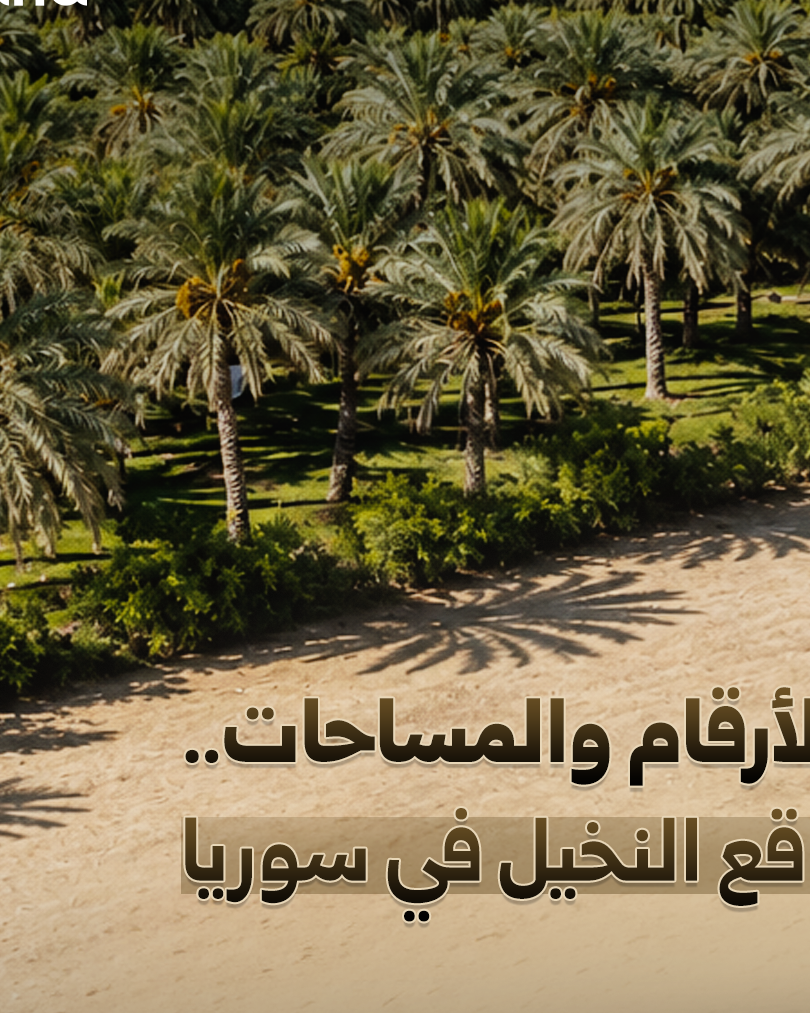
The palm cultivation sector in Syria is receiving dedicated attention as an integral part of the country’s agricultural resources. Recent data provides a clear distribution map of cultivated areas and the number of trees across various Syrian regions. The state of palm farming in the country is largely determined by natural and climatic factors, which have dictated the areas where these trees thrive, alongside ongoing efforts to enhance local production.
Palm cultivation in Syria is primarily concentrated in specific zones that align with their geographical nature and their particular water and temperature requirements. Current statistics reveal a diverse geographical distribution, reflecting variations in the land allocated to this crop between provinces. These cultivated areas contribute to the broader Syrian agricultural landscape, as authorities maintain a focus on increasing production efficiency and improving the quality of the fruit produced.
Despite the significance of this sector, it faces a range of field-level challenges that impact its sustainability and development. Among the most pressing issues is the availability of water resources required for irrigating palm groves. Additionally, climate change continues to affect growth rates and overall production yields.
Beyond environmental factors, farmers are navigating technical and logistical hurdles. These include the specialized care required for the trees, effective pest control measures to safeguard crops, and the need for greater support in marketing and agricultural processing related to palm products.
Understanding the current distribution map, combined with verified data on acreage and tree counts, serves as a fundamental step in formulating future development plans. Relevant agricultural authorities in Syria are currently analyzing this data to assess the actual needs of farmers and provide necessary technical support. This initiative aims to preserve and develop this agricultural wealth in a manner that serves the national economy and ensures food security.
The ultimate goal for developing the palm sector remains the capitalization on the relative advantages of each region, while working to overcome the technical and economic obstacles that currently hinder the maximization of returns from this vital sector across Syria’s provinces.
Source: Syria Focus Arabic
