
Syrian Citrus Season 2026: Production Value Estimated at $588 Million
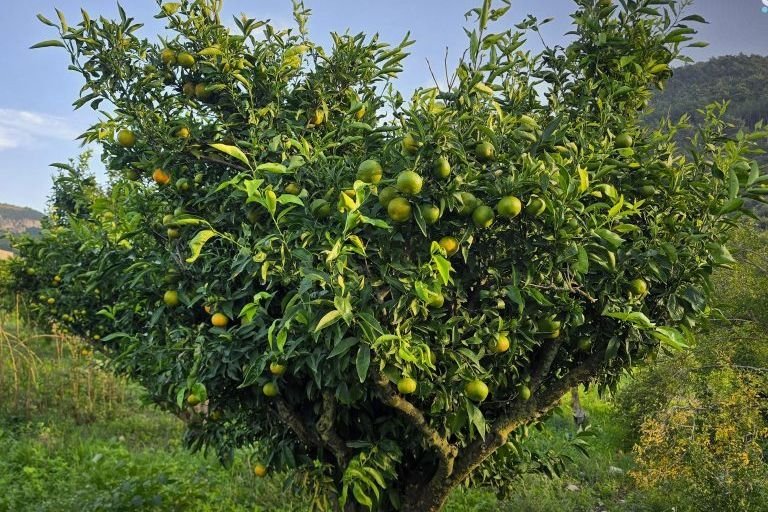
The Syrian Ministry of Agriculture has released its production estimates for the current citrus season, valuing the crop at an average of $588 million. According to Hatem Majr, director of the ministry’s Citrus Office, the current season has seen a relative improvement in production of up to 18 percent compared to the average of the last decade. This increase is attributed to favorable environmental conditions and enhanced rainfall, which provided sufficient irrigation resources.
Majr stated that the projected production for the season is 840,000 tons. This output is sufficient to fully meet the requirements of the Syrian market from September 2026 through the end of April 2027, with a surplus available for export. Production is concentrated primarily in the governorates of Latakia and Tartus; Latakia accounts for approximately 639,000 tons, while Tartus produces 201,000 tons. The remaining production, which does not exceed one percent of the total, is distributed across other governorates. By variety, the total production includes 517,000 tons of oranges, 161,000 tons of tangerines, 126,000 tons of lemons, and 36,000 tons of grapefruit.
Majr noted that the economic returns from this harvest support approximately 50,000 farming households, in addition to those working in the transport, sorting, and packaging sectors. However, significant challenges persist, including weak export activity, a limited number of sorting and packaging facilities, and high costs associated with fuel and transportation. He added that the ministry is collaborating with the Food and Agriculture Organization (FAO) to implement citrus certification programs aimed at improving product quality and enhancing competitive capabilities.
For his part, agricultural expert Akram Afif emphasized the critical need to prioritize manufacturing industries. He pointed out that the current lack of processing capacity leads to losses for farmers due to seasonal production surpluses. Afif proposed investing the surplus in drying operations and the extraction of oils and active ingredients from peels for pharmaceutical and industrial use. Such initiatives, he argued, would transform citrus from a highly perishable crop into products that can be stored and marketed throughout the year.
Furthermore, Afif stressed the importance of protecting domestic products through strategic import regulations. He called for support for Syrian farmers via a comprehensive crop management strategy that includes developing sorting centers and encouraging investment in manufacturing facilities to ensure long-term production sustainability and profitable returns for the agricultural sector.
Source: Syria Focus Arabic
