
Child Dies, Others Poisoned After Eating Wild Mushrooms in Raqqa
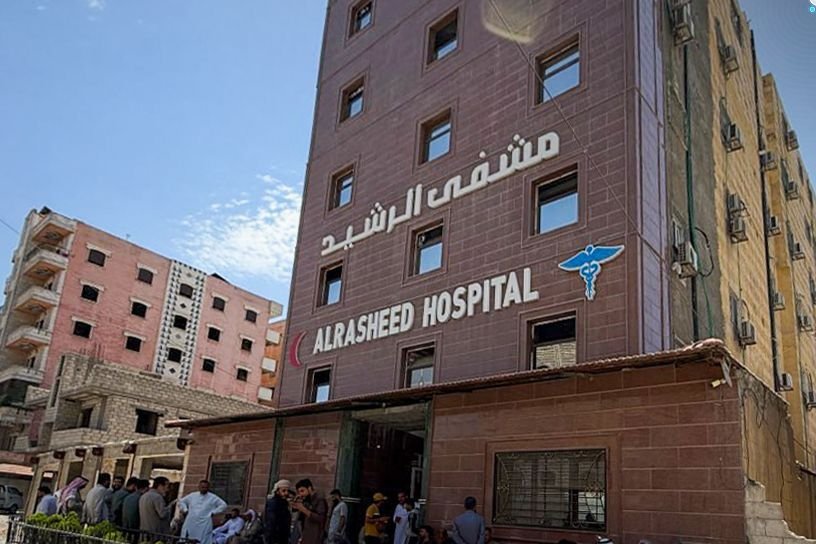
A tragic incident in the northern countryside of Raqqa has resulted in the death of a young girl and left five others suffering from severe poisoning after they consumed wild mushrooms that had grown spontaneously on agricultural land.
Medical sources in the region reported that the incident occurred several days ago in the Tishreen farm area. The toxins found in the mushrooms caused acute poisoning among the group.
Yahya Al-Mushrif, director of Al-Rashid Specialized Hospital, stated that the victim, 10-year-old Sham Ahmed Al-Jassim, was admitted to the facility suffering from acute liver inflammation caused by the toxins. Despite receiving initial stabilization and necessary medical interventions, her family requested she be transferred to Aleppo for further treatment. She later passed away due to complications arising from the poisoning.
Nasser Al-Ali, head of the digestive division at the Raqqa National Hospital, noted that the incident affected six children in total, ranging in age from 10 to 17 years, including four siblings. Al-Ali confirmed that the other patients remain under medical care in various public and private hospitals. He highlighted that the families initially attempted to manage the poisoning cases using home remedies and pharmacy medications. Doctors strongly warned against this, noting that such delays exacerbated the symptoms and led to the deterioration of the children’s health.
Al-Ali issued a stern warning to residents regarding the dangers of gathering or consuming mushrooms that grow randomly on farmland or in wild areas. He emphasized that it is impossible for the average person to distinguish between toxic and edible varieties with the naked eye, making their consumption a life-threatening risk.
Medical experts explained that symptoms of mushroom poisoning typically appear within three to six hours of consumption. These include severe abdominal pain, vomiting, diarrhea, headaches, and allergic reactions such as rashes or itching. In severe cases, the toxins can cause life-threatening complications, including acute liver failure, which can be fatal.
In light of these events, medical staff stressed the importance of seeking immediate hospital care at the first sign of symptoms. They cautioned against wasting time on home treatments, noting that early medical intervention is the most critical factor in saving lives and mitigating severe damage to vital organs, particularly the liver. Professionals reiterated that delays in seeking professional healthcare are a primary cause of deteriorating conditions and increased mortality rates.
Source: Syria Focus Arabic
