
From Sports Arenas to War Witnesses: Syria’s Changing Landscapes
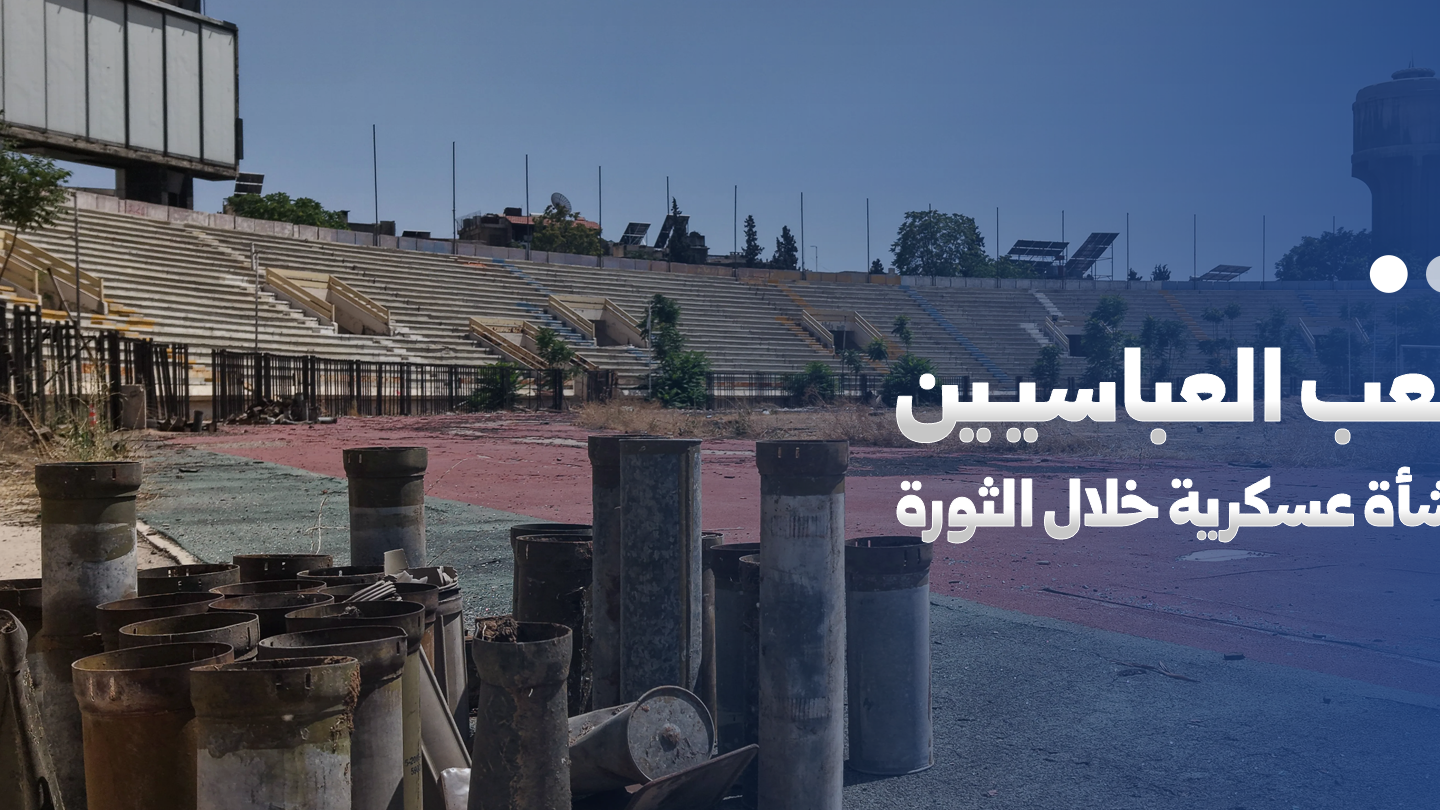
Across Syria, numerous locations have undergone radical transformations in function and usage since the escalation of the conflict. Many sites that once served as public facilities for social and sporting activities have transitioned into landmarks now etched in the collective memory of Syrians for their association with violent security and military events. Today, a critical question emerges regarding these former gathering spots for athletes and fans: how did they later become linked to shelling operations that impacted civilians?
This shift reflects the reality imposed by years of conflict. Sports facilities, stadiums, and public squares have largely lost their recreational and social roles, finding themselves at the center of military operations. Prior to 2011, these sites served as spaces for peaceful interaction and athletic competition. However, this landscape changed entirely as a result of developments on the ground across various Syrian regions.
Monitoring the evolution in how these locations are used reveals the extent to which infrastructure and public facilities have been impacted by military activities. Many have transitioned from vital spaces frequented by youth and athletes into contact lines or sites that witnessed shelling, directly affecting the civilian population. This change in function—from leisure to involvement in the tragedies of war—encapsulates part of the broader shifts within Syria’s urban and social fabric. These sites, once dedicated to sports, have become witnesses to the chapters of human suffering that accompanied the years of conflict.
The persistent association of these facilities with shelling operations raises ongoing questions about the fate of public utilities in the country and their future amidst potential reconstruction efforts. There is uncertainty regarding whether they can ever regain their former role as hubs for athletes, given that the memories of war have left an indelible mark on their character. As these transformations continue to be documented, these locations remain a part of the Syrian collective memory. Having transitioned from the enthusiasm of sports competitions to the pain of shelling and its aftermath, they now stand as benchmarks for understanding the nature of the conflict that has shaped Syrian cities and regions.
Source: Syria Focus Arabic
