
Homs Residents Call for Permission to Farm Al-Sukhnah Desert Lands
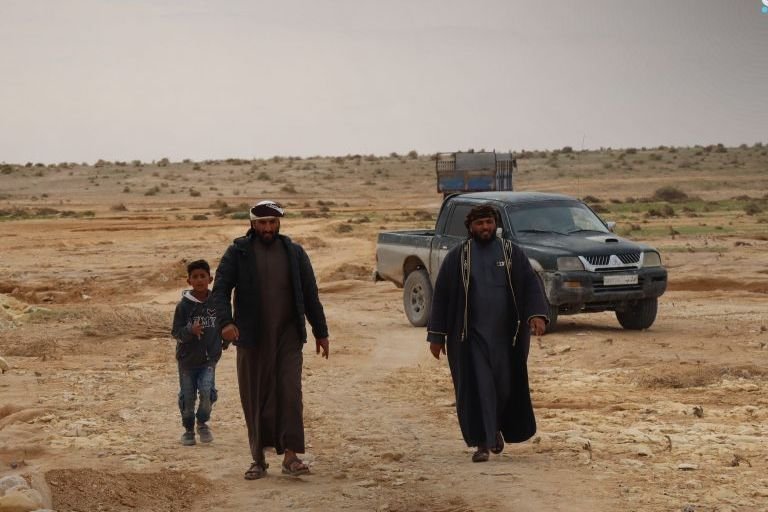
Families returning to the city of Al-Sukhnah and surrounding settlements in the eastern Homs desert are facing significant living challenges that hinder their ability to stabilize. As a result, there have been growing calls directed at the Ministry of Agriculture to reconsider the regulations governing the use of pasture lands, specifically requesting that residents be permitted to farm rain-fed plots they have utilized for decades.
Local residents emphasize that the prohibition of farming these lands has become a major obstacle to securing basic livelihoods. This restriction has compounded the difficulty of rebuilding homes damaged during the years of conflict. According to the inhabitants, the rain-fed cultivation of wheat and barley has long been a pillar of their survival, providing flour and bread for their families, as well as essential fodder for their livestock—traditional activities deeply rooted in the identity of the desert communities.
Abdul Hamid Kanaan, head of the Al-Sukhnah district, highlighted the negative impact of Law No. 62 of 2006, which prohibits the cultivation of rangelands. Kanaan explained that this ban has directly affected the economic stability of residents who currently lack sufficient alternatives to help them rebuild their lives. He noted that the areas currently being farmed by residents are very limited, covering no more than 1% of the desert territory. He specified that this agricultural activity is focused exclusively on floodplains and water runoff channels, rather than on hills, plateaus, or designated grazing zones. Kanaan is advocating for a review of the law to allow for exceptions that would balance the protection of pastures with the essential needs of the local population.
These appeals coincide with a season that has seen good rainfall, prompting residents to emphasize the need to utilize this water to support rain-fed agriculture. Many residents expressed their hardships, noting that returning to the city after years of displacement has been met with a difficult economic reality. Consequently, many are forced to leave their inherited lands to seek daily wage opportunities in other regions, such as Raqqa and Al-Mansoura, or are living in difficult conditions in traditional tents.
Law No. 62 of 2006 serves as the legislative framework regulating the use of the Syrian desert. It was primarily designed to protect vegetation cover and curb overgrazing and land encroachment by restricting land use to organized grazing projects, afforestation, and animal husbandry. However, residents argue that permitting specific crops within limited areas would effectively contribute to supporting the stability of returning families and achieving a level of food and fodder self-sufficiency, thereby alleviating their economic burden under current circumstances.
Source: Syria Focus Arabic
