
Indiscriminate Net Hunting Threatens Biodiversity in Syria
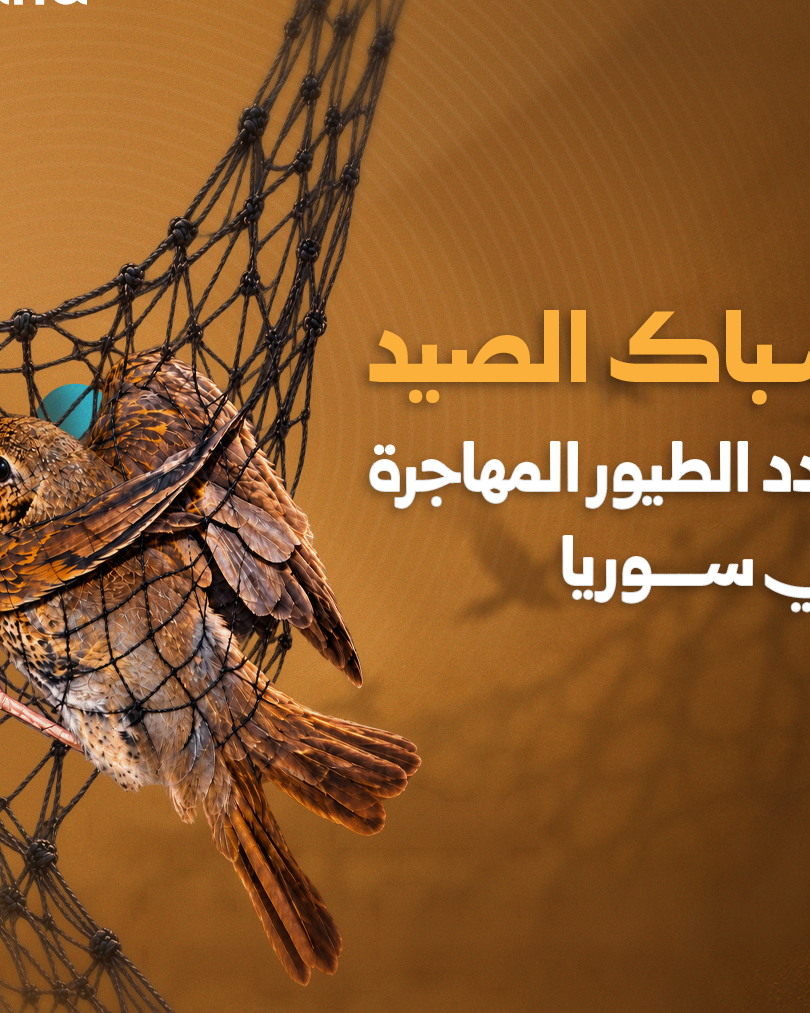
Wildlife in Syria is facing escalating threats due to the rise of unregulated and indiscriminate hunting practices. The widespread use of netting, which fails to distinguish between species, has become a grave danger to both rare wildlife and migratory birds that transit through Syrian territory during their annual migrations. This trend has sparked serious concern regarding the future of the country’s biodiversity.
These uncontrolled hunting operations rely on large-scale nets positioned along established flight paths. Birds are captured regardless of their species, legal status, or environmental condition. Because these nets are non-selective, they do not differentiate between game birds and protected or rare species that are already struggling under global environmental pressures and declining population numbers.
The persistence of this form of hunting leads to the depletion of migratory populations that rely on Syria’s geographic routes as a vital temporary refuge for resting and feeding. The threat extends beyond the immediate loss of large numbers of birds; it disrupts the delicate ecological balance. These birds play essential roles in controlling agricultural pests, pollinating plants, and dispersing seeds, all of which are direct contributors to the sustainability of Syrian ecosystems.
Questions have emerged regarding how hunting has shifted from a traditional or sporting activity to a significant environmental threat that places Syrian biodiversity at risk. Environmental experts and observers emphasize the urgent need for concrete action to curb this phenomenon. Suggested measures include the regulation of hunting practices, raising awareness within local communities about the necessity of maintaining ecological balance, and strict adherence to laws designed to protect rare species from extinction, which is currently being accelerated by the irresponsible expansion of indiscriminate netting.
Protecting the flight paths and natural habitats of birds in Syria requires a unified effort to ensure these creatures are not subjected to mass destruction in nets. Safeguarding these populations is an integral part of protecting national environmental wealth and ensuring its longevity for future generations.
Source: Syria Focus Arabic
