
Palmyra Oasis Gradually Restores Agricultural Activity
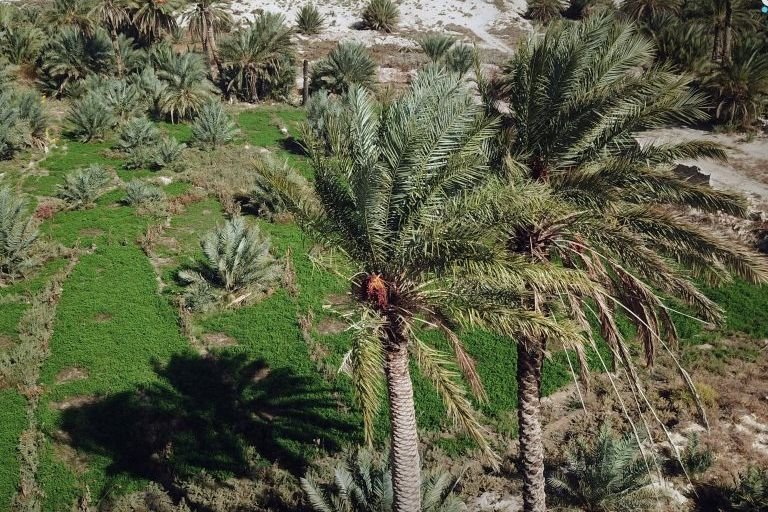
The Palmyra agricultural oasis in Homs Governorate is gradually resuming its operations as local farmers return to their lands. Following years of displacement that severely impacted the region’s agricultural sector, the oasis is seeing a renewed effort to rehabilitate orchards and restore productivity. This current period marks the date harvest season, which has shown a notable improvement in output compared to previous years.
Providing insight into the current situation, Engineer Diaa Arifa, an extension officer at the Palmyra Agriculture Department, explained that the oasis’s palm trees suffered extensive damage, including burning and logging, over the past years. This destruction resulted in the loss of a significant portion of the tree population. Arifa noted that the oasis was estimated to have held approximately 250,000 palm trees before the war. He emphasized that the return of farmers to their properties and their individual initiatives to repair the orchards have been vital in reviving agricultural activity and improving production after a long period of neglect.
Arifa called upon the relevant authorities to provide the necessary support to rehabilitate this vital sector. He highlighted the need for irrigation supplies, the installation of solar energy systems, and the provision of economically viable palm varieties such as Barhi, Medjool, yellow, and red dates. He further suggested incorporating modern agricultural technologies to enhance overall productivity.
For their part, local farmers spoke about the significant hardships they have faced. Farmer Khaled Jumaa recalled that Palmyra’s orchards were once considered a “green oasis” before the war, but were subsequently subjected to shelling, burning, and the uprooting of olive trees. Jumaa noted that while he has begun replanting his land since the liberation of the area, he faces substantial difficulties in securing irrigation water and pesticides to treat damaged trees. He also stressed the urgent need to rehabilitate the electrical network within the orchards to encourage more residents to return and invest.
In a similar account, farmer Ali Mutlaq stated that the damage to the oasis’s trees reached approximately 90 percent. He emphasized that the individual efforts of residents require genuine cooperation with government institutions to fully restore the oasis, which serves as a primary source of income for 30 to 40 percent of the city’s population.
Palmyra’s farmers continue to uphold the traditions passed down by their ancestors, utilizing conventional methods for harvesting dates to ensure the quality of the fruit, despite the risks associated with climbing tall trees. As part of wider efforts to revitalize the region, the first phase of a project to restore and clear damaged irrigation channels is currently underway. The initiative aims to improve irrigation and provide water to approximately 200 hectares of orchards, as part of a comprehensive plan targeting 400 hectares of the oasis.
Source: Syria Focus Arabic
