
Ghab Fish Farming Sector Faces Recovery Hurdles and Growth Goals
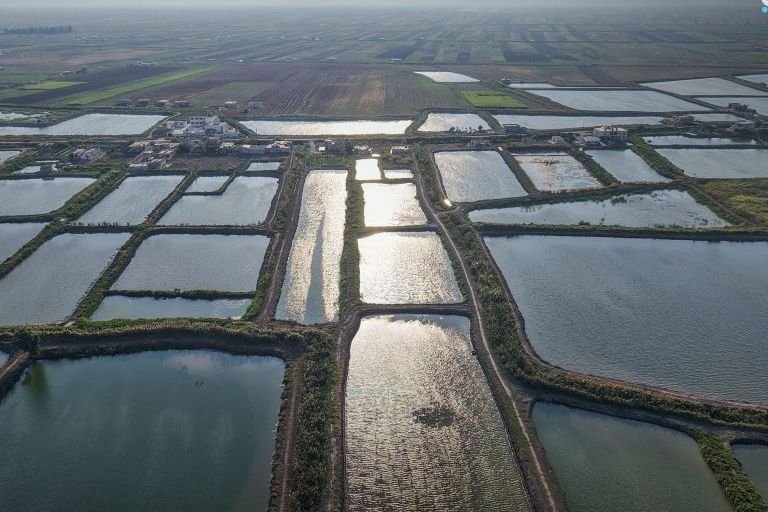
The Ghab region in western rural Hama is witnessing a gradual revival of its fish farming sector. After a forced suspension lasting more than 14 years, producers are working to restore this vital national resource, though the recovery process is hampered by significant logistical and technical obstacles that threaten production stability and local livelihoods.
Data from the Hama branch of the General Authority for Fisheries and Aquatic Resources indicates that there are approximately 291 private fish farms in the Ghab region, alongside three government-run facilities located in Qalaat al-Madiq, Bab al-Taqa, and Shat-ha. These farms cover a combined area of roughly 800 hectares. Despite this footprint, Dr. Hussein Al-Hussein, director of the authority’s branch, noted that production in Hama has dropped to approximately 2,000 tons. This decline is attributed to the limited capabilities of farmers returning to their villages after years of displacement, as well as a viral outbreak that caused high mortality rates among carp stocks.
In response, the authority has been providing technical support, including the streamlining of licensing procedures, the dissemination of guidance on managing disease outbreaks, and conducting field visits to collect samples for analysis at the Hama Faculty of Veterinary Medicine laboratories. The authority also underscored its ongoing commitment to protecting public water bodies from illegal fishing practices.
Fish farmers are calling for a comprehensive package of support measures. Chief among their demands are long-term loans to assist with the rehabilitation of ponds and the procurement of necessary supplies, including feed, fish fry, and electrical equipment, much of which was damaged or stolen during the years of conflict. Furthermore, producers have stressed the need to regulate the import of frozen fish—specifically carp and tilapia—between October and the end of the year. They argue that such measures are essential to protect the domestic product from unfair competition and to ensure successful local marketing.
Looking toward the future, Iyad Khadrou, Director-General of the General Authority for Fisheries and Aquatic Resources, outlined an ambitious strategic plan to increase the country’s annual fish production to 225,000 tons by 2035. This goal represents a major leap from current production levels, which range between 20,000 and 25,000 tons. The strategy aims to bridge the gap in local demand and improve per capita fish consumption to align with international standards. To achieve this, the plan focuses on modernizing fishing fleets and expanding aquaculture projects across various Syrian governorates.
Source: Syria Focus Arabic
