
Homs Agriculture Directorate Estimates 85,000-Ton Olive Harvest
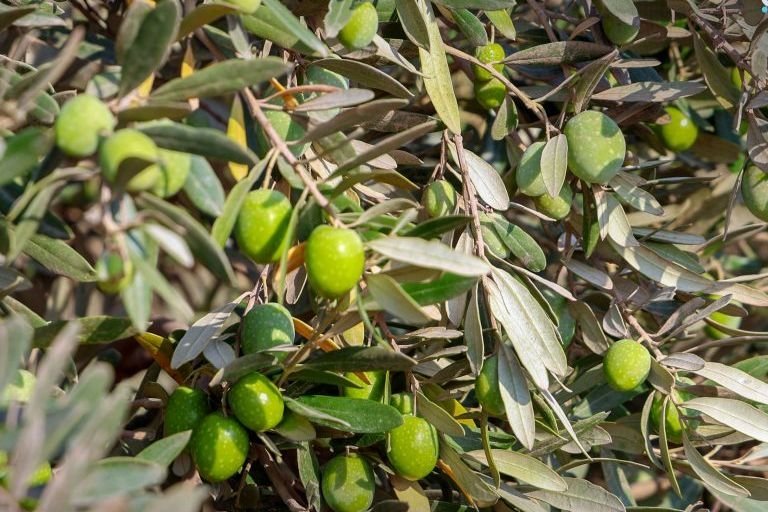
The Homs Agriculture Directorate has released its preliminary estimates for the upcoming olive harvest, projecting a yield of approximately 85,000 tons. This figure represents a significant increase compared to last year’s production, which reached 59,000 tons.
Officials attribute the improved harvest to favorable climatic conditions and adequate rainfall throughout the recent period, contrasting with the previous season, which was marked by harsh weather and drought that adversely affected overall productivity.
As preparations for the harvest season get underway, the Directorate has set October 10 as the official start date for picking operations across the province. Eng. Munira Al-Ali, head of the specialized offices department at the Directorate, confirmed that the province is preparing to operate 55 olive presses, geographically distributed to ensure coverage across all production areas. A joint committee representing relevant authorities is currently conducting technical inspections of these facilities to ensure they meet the necessary standards for producing high-quality olive oil.
To ensure optimal oil quality, the Directorate has issued a series of technical recommendations for local farmers. Among these is the advice to avoid premature harvesting and to wait for each variety to reach its appropriate stage of maturity. Al-Ali emphasized that waiting until 60 percent of the fruit has turned purple or black significantly improves the quality of the oil.
Furthermore, the Directorate stressed the importance of manual harvesting and cautioned against mixing fallen fruit with healthy produce. Farmers are also urged to transport their harvests in ventilated plastic crates and avoid long-term storage. The recommendation is to process the olives within 72 hours of harvesting, while ensuring the fruit is cleaned of twigs and leaves to maximize pressing efficiency.
Regarding crop protection, the Directorate continues to conduct field tours to monitor the condition of the trees and ensure they remain free from pests and diseases. Al-Ali reported that, to date, field monitoring has not recorded any infestations exceeding the economic threshold. As a preventive measure, the department continues to distribute pheromone and nutritional traps to monitor olive pests, particularly the olive fruit fly and the olive moth.
Olive cultivation in Homs province is concentrated in several key areas, most notably Talkalakh, Al-Mukharram, the Eastern and Western districts, as well as Taldou, Al-Qusayr, and Rastan.
Source: Syria Focus Arabic
