Tribal Reconciliation in Daraa Reinforces Local Stability
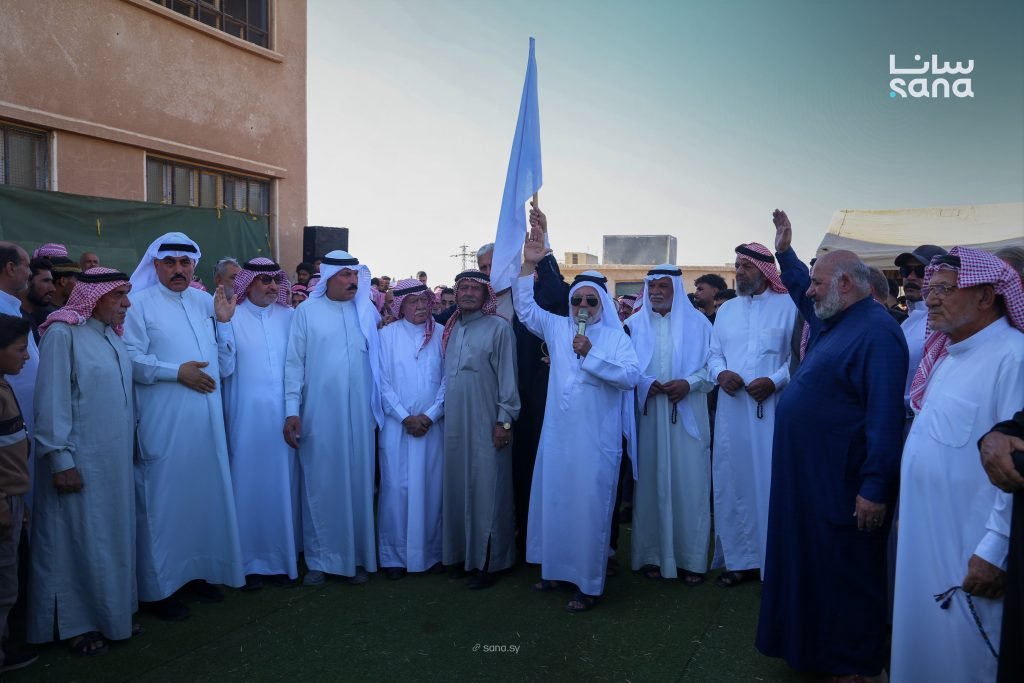
A tribal reconciliation agreement was finalized on Monday in the town of Umm al-Mayadhin, located in the southern governorate of Daraa. The event, which brought together members of the Al-Roweis and Al-Masameed families, signifies an ongoing regional effort to resolve local disputes through traditional mediation mechanisms, thereby fostering long-term social stability and peace.
The reconciliation process was facilitated under the auspices of the Daraa Governorate and benefited from the active participation of the General Reconciliation Council alongside various local dignitaries and tribal leaders. This initiative is being viewed as a significant step toward reinvigorating community-based justice systems, which aim to address grievances and conflict at the grassroots level rather than relying solely on external or formal legal interventions.
Ghassan al-Mahamid, a representative of the General Reconciliation Council in Daraa, emphasized the historical importance of such mediation in the Hauran region. He noted that while these traditions faced disruption in recent years due to various socioeconomic challenges—including corruption and instances of partiality—the formal reactivation of the General Reconciliation Council, formerly known as the Reform Commission, has provided a structured platform for conflict resolution. According to al-Mahamid, restoring this role is essential to maintaining the cohesion of the local social fabric.
Following the ceremony, participants underscored the importance of ensuring the permanence of the agreement. Ali Zayed al-Shara, a member of the Nasib Reform Committee, stressed that the focus must remain on preventing the recurrence of disputes and protecting the community from future friction or sectarian tensions. By formalizing these agreements, the parties involved seek to move beyond past grievances and prioritize collective security and stability.
Basil al-Mahamid, a prominent figure in the town of Umm al-Mayadhin, echoed these sentiments, noting that such initiatives serve as an effective mechanism for preserving the peace and security of the province. He argued that the success of this reconciliation lies in the commitment of all stakeholders to uphold the principles of dialogue and mutual understanding.
This development in Umm al-Mayadhin serves as a localized model for addressing disputes in Daraa. By leveraging traditional tribal structures and the oversight of the General Reconciliation Council, residents are attempting to build a framework for stability that relies on community consensus. The event reflects a broader trend within the province to mitigate the impact of civil friction, aiming to preserve local social structures and maintain an environment conducive to dialogue and cooperation among the region’s diverse families and social groups.
